
A guide to this healthcare article category
This category collects AB Spectrum articles for families and caregivers who are looking for practical information about autism services, daily routines, and related healthcare topics. The posts here are written to be useful on their own. They are not a substitute for a conversation with a clinician who knows your child, and they are not a complete description of every service we offer. If you are new to the site, you can start with any article that matches the question you have today, then use the pages under Treatment, Getting Started, or Locations when you want to know how care actually works at our clinics.
What you will find in these articles
Some posts explain therapy approaches in everyday language, such as ABA, speech therapy, or teaching in natural routines. Some describe the environment of a clinic, including how we think about Reggio ABA and the design of a room. Some are written from a caregiver or leadership point of view about the long middle of care — first calls, reports, collaboration with other providers, and the vocabulary that can make a plan hard to follow. A few discuss topics that sit beside clinic care, such as worry, meals, or home routines. Each article should be read as one piece of information, not as a promise about your child’s results.
- Use an article to gather questions, then bring those questions to a clinician.
- Check the date and the context; a general explanation may not match a specific plan.
- If two articles seem to disagree, ask a person who can look at your child’s situation.
- When you are ready to talk about services, a Welcome Call is a common first step on our site.
AB Spectrum is an autism services provider in the St. Louis area, operating since 2016. We offer Reggio ABA, speech therapy, and autism evaluations at five Missouri clinics: St. Louis / Mehlville at 2338 Lemay Ferry Rd, St. Louis, MO 63125; Chesterfield at 14733 Clayton Rd, Ballwin, MO 63011; Florissant at 11753 W Florissant Ave, Florissant, MO 63033; St. Peters at 1421 Triad Center Dr, St. Peters, MO 63376; and Wright City at 312 Warren Ave, Wright City, MO 63390. Hours and availability can change, so confirm details when you contact us rather than treating this introduction as a live schedule.
How to use this category without getting lost
The posts are arranged in the usual blog order, with newer or recently updated pieces appearing as the site’s listing allows. Pages 2, 3, and 4 of this category, when they exist, continue the same set of articles; they are not separate topics. If you arrived from a search engine, scroll or page through only as far as you need. You do not have to read the entire archive to make a first decision about whether to call.
When an article describes a method, ask whether that method is part of the service you are considering and how it would be reviewed. When an article lists possible signs or possible areas of change, treat the list as a prompt for observation, not as a checklist that diagnoses anyone. When an article mentions school, home, or other community providers, remember that those settings have their own rules and that you control what information is shared.
We have tried to write in plain language. If a term is still unclear, write it down and ask us to explain it in a conversation, or look for a later article in this category that unpacks ABA vocabulary for caregivers. You should not need a technical background to use this website. If something on a page appears to conflict with a document you signed in a clinic, the signed document and your clinical team’s current plan are the place to resolve the conflict.
When to go beyond reading
Reading can help you prepare; it cannot take the place of care when you already know you need help. If you are looking for an evaluation, therapy, or a clearer sense of whether our services fit your family, use the contact or scheduling paths on this website, or start with Getting Started. If you are a physician or another professional looking for referral information, see the physician referral page. If you are interested in working with us, see the careers pages; applications follow the process described there.
If your child’s situation is urgent or unsafe, contact emergency services or your child’s medical team. This archive is not an emergency service, and it is not a crisis line. For ordinary questions about our Missouri clinics, our care coordination team can help you understand next steps, including when the next step is not with us. We would rather be clear about what we offer than leave you with a vague impression from a long list of posts.
Insurance, authorization, and documentation requirements vary and can change. Articles in this category will not try to state your benefits. Ask us, and ask your plan, about your situation. We also will not use this introduction to claim a wait time, a typical outcome, or a guarantee. Those topics, when they can be answered at all, belong in a direct conversation that takes current capacity and your child’s needs into account.
You are welcome to share an article with another caregiver or with a professional who is already part of your child’s team. If you do, share the link to the specific post rather than copying fragments out of context. The author and the date, when they are shown, help the other person know what they are reading. Comments or informal advice on other websites should not be treated as part of our clinical guidance.
We update individual articles from time to time, and we may add new posts to this category. An older article can still be useful, especially when it explains a concept rather than a temporary detail. If you need current information about locations, services, or how to begin, prefer the main service and location pages, then use these articles as background.
Thank you for reading. Whether you are in the middle of a diagnostic process, already receiving services, or still trying to understand a first set of questions, we hope this category gives you language and structure you can use. When you want to talk with a person, we will meet you at that point in the process and work from the facts of your family’s week.
We’re here for you.
Chaining and Task Analysis in ABA

Chaining teaches a routine as a sequence of smaller steps written in a task analysis. Educational only, not a do-it-yourself program.
Special School District of St. Louis County: A Guide for Families
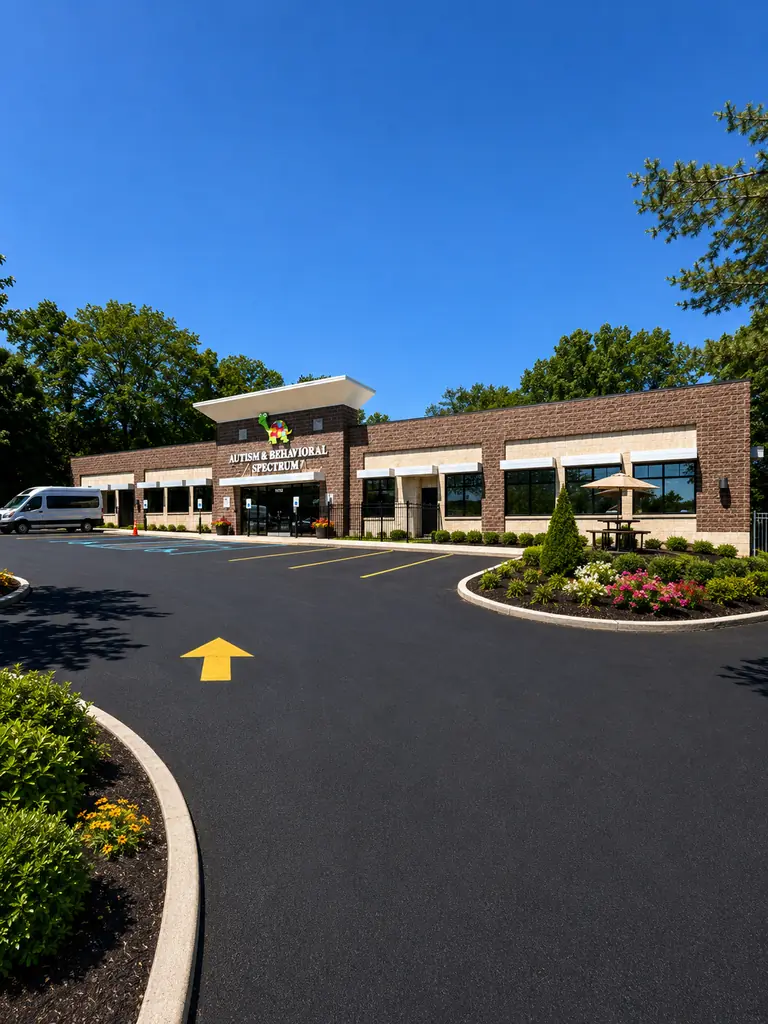
A parent guide to the Special School District of St. Louis County, its partner districts, and early childhood special education, with links to official SSD pages.
Operational Definitions in ABA, Explained Simply

An operational definition describes a behavior in clear, observable terms so a clinic team can take consistent data. Educational only, not a do-it-yourself program.
Autism Support Levels (Level 1, 2, and 3), Explained for Parents
DSM-5-TR describes autism support needs as Level 1, 2, or 3. This parent guide explains what those levels mean and what they do not decide.
Data Collection Methods in ABA
ABA data collection is the structured record of what a child does and how a teaching plan is going. Educational only, not a do-it-yourself system.
Reinforcement Schedules in ABA, Explained Simply
A reinforcement schedule is the rule for how often a behavior is reinforced in an ABA plan. Educational only, not a do-it-yourself program.
How ABA Clinic Sessions Work
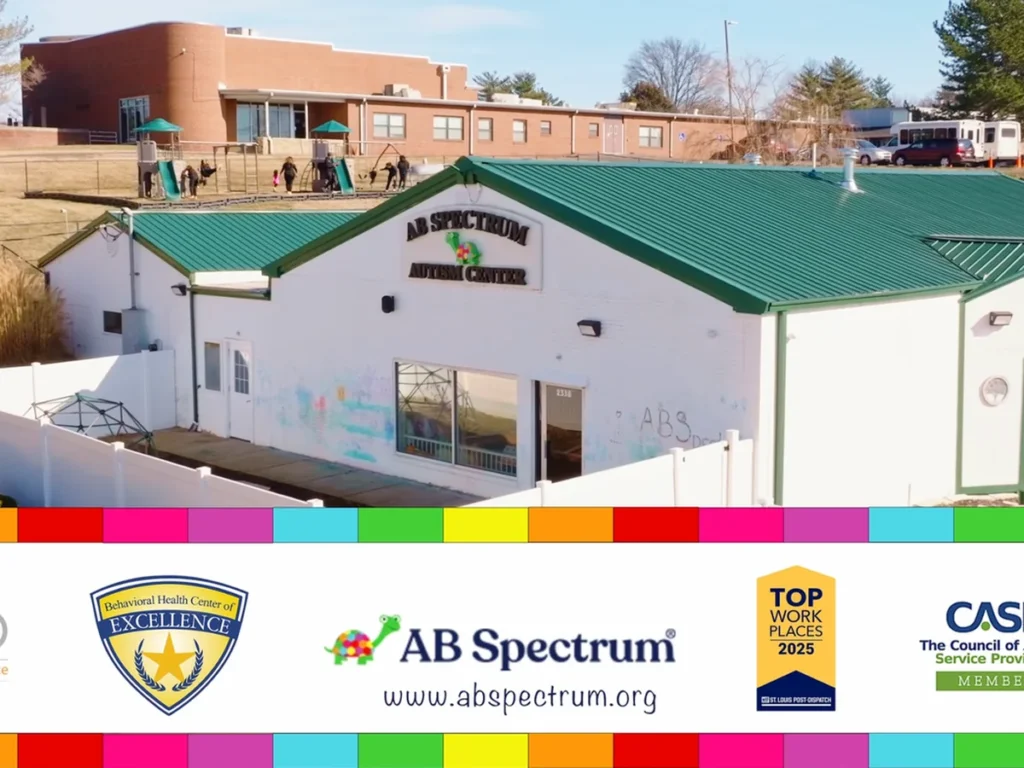
Before the first ABA session comes intake, benefit verification, and a BCBA assessment. This guide explains what a clinic-based session looks like at AB Spectrum and how families stay involved.
An RBT’s Day at the Clinic
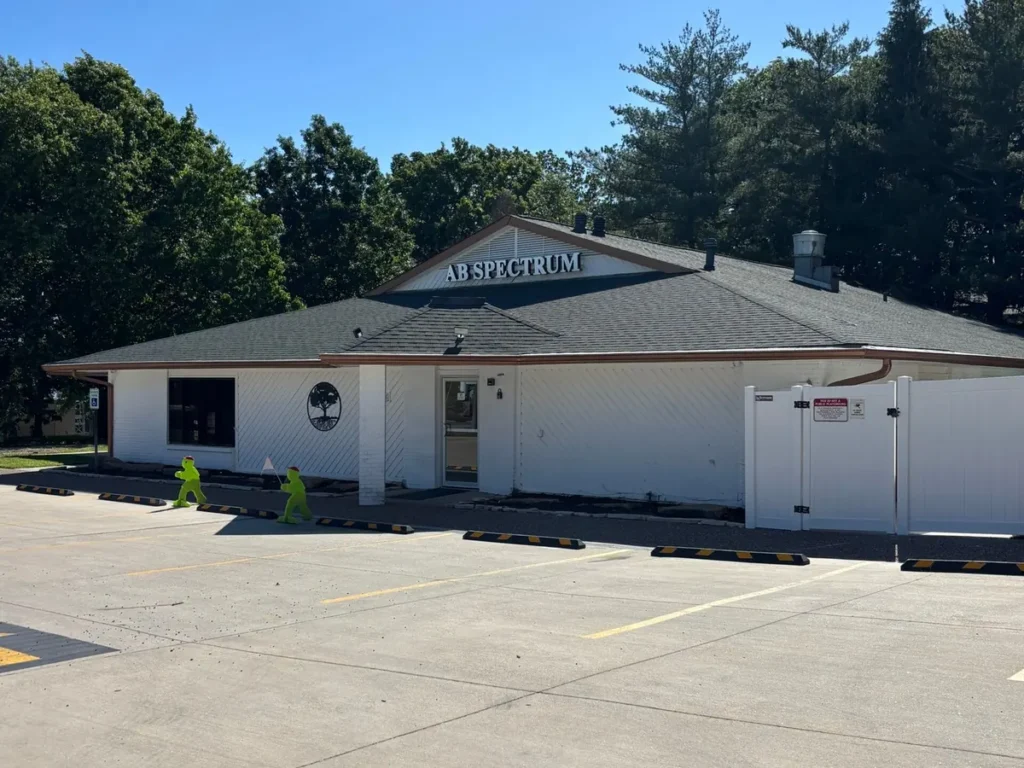
A Registered Behavior Technician usually delivers the daily, one-to-one ABA session and collects data under a BCBA’s supervision. This guide describes clinic-based work with young children, without promising any one schedule.
What Does a BCBA Do?
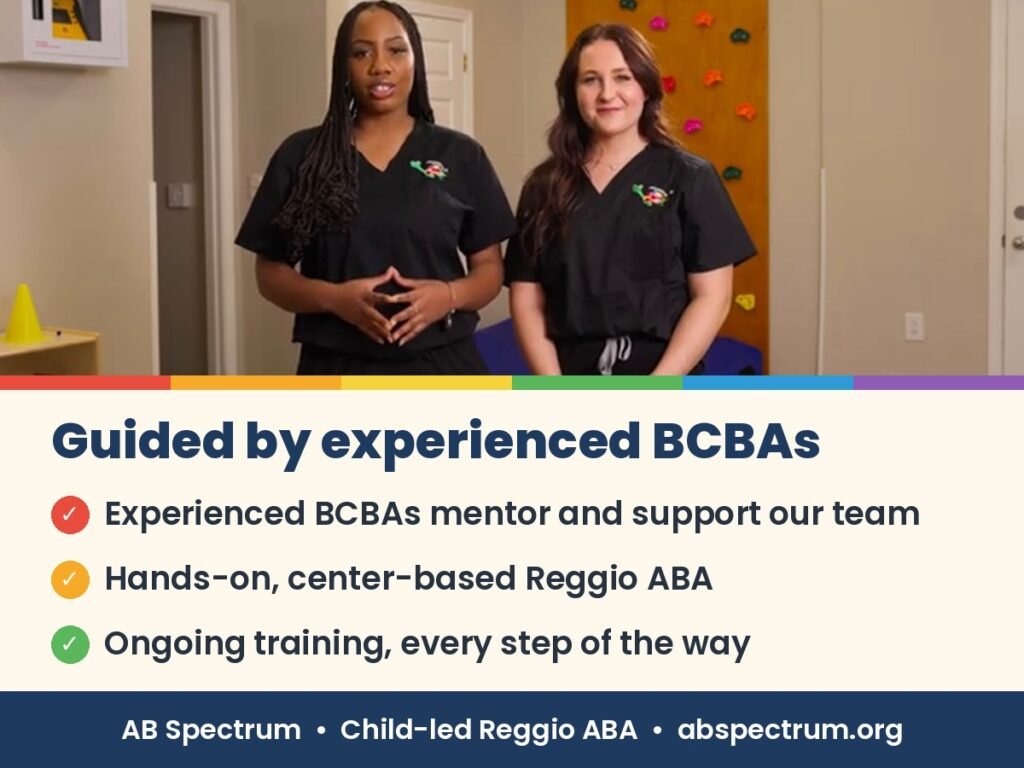
A BCBA designs, supervises, and adjusts ABA therapy programs. This careers guide explains the clinic role, how it differs from an RBT, and how AB Spectrum describes the work on current job postings.
Token Economy in ABA, Explained Simply
A token economy is an ABA strategy in which a child earns tokens for specific behaviors and later exchanges them for a backup reward. This guide explains the idea in everyday language. It is not a do-it-yourself program.